What Are Beta Brainwaves and Why Do They Matter for Focus?
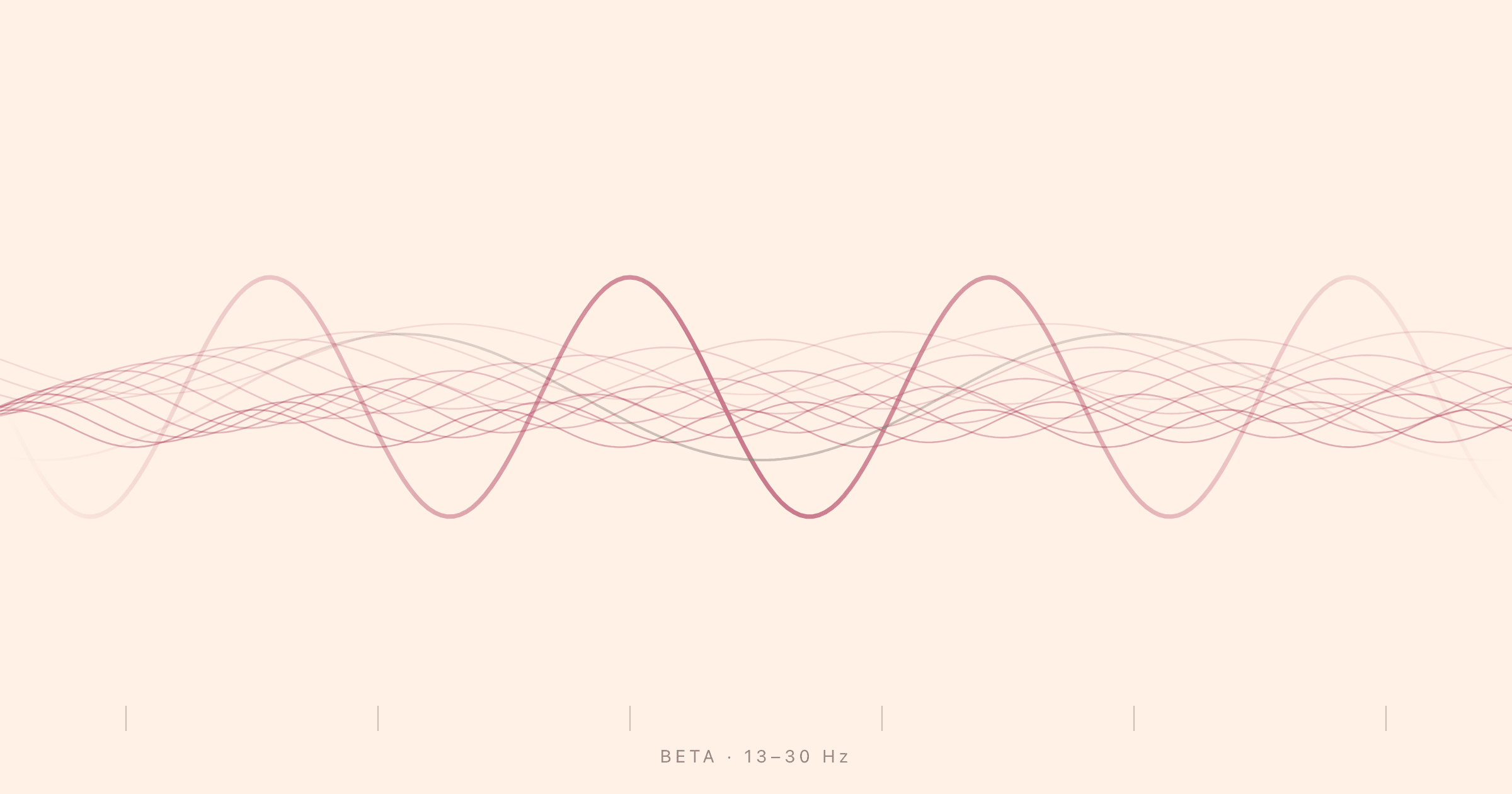
Beta brainwaves, oscillating between 13-30 Hz, represent your brain's natural state of active concentration and alert awareness. When you're solving problems, engaging in focused work, or having an intense conversation, your brain predominantly operates in the beta frequency range. Understanding and optimizing these powerful neural oscillations can be your secret weapon for achieving unprecedented levels of mental focus and cognitive performance.
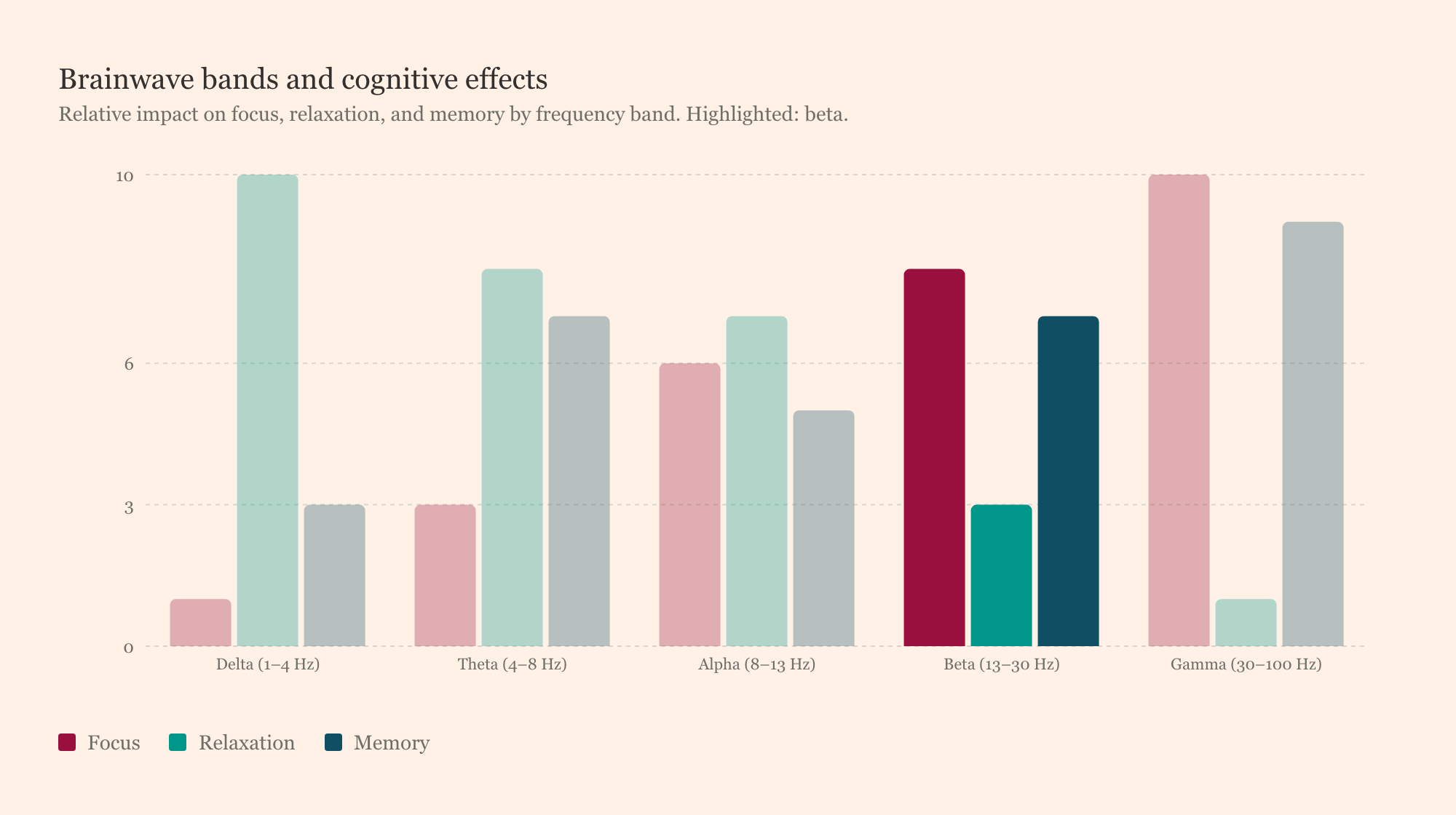
Unlike the slower alpha waves associated with relaxation or the faster gamma waves linked to peak insights, beta waves occupy the sweet spot for sustained attention and analytical thinking. They're the neurological foundation of what we commonly call "being in the zone" for cognitive tasks.
The Science Behind Beta Waves and Mental Performance
Research in neuroscience has consistently shown that beta brainwave activity correlates strongly with enhanced cognitive function. When your brain generates optimal beta wave patterns, several remarkable changes occur:
Enhanced Neural Communication: Beta waves facilitate rapid information processing between different brain regions, particularly the prefrontal cortex responsible for executive functions like planning, decision-making, and sustained attention.
Improved Working Memory: Studies demonstrate that individuals with stronger beta wave activity show superior working memory capacity, allowing them to hold and manipulate more information simultaneously.
Heightened Alertness: Beta frequencies naturally increase cortisol and norepinephrine levels in healthy amounts, promoting alertness without the jittery effects of excessive stimulation.
The key lies in achieving the right balance. Too little beta activity leads to mental fog and difficulty concentrating, while excessive beta can result in anxiety and scattered thinking.
Different Types of Beta Waves and Their Focus Benefits
Not all beta waves are created equal. Neuroscientists classify beta activity into distinct sub-ranges, each serving unique cognitive functions:
Low Beta (13-16 Hz): Often called "SMR" (Sensorimotor Rhythm), this range promotes calm focus and relaxed attention. It's ideal for sustained reading, studying, or detailed work that requires patience and steady concentration.
Mid Beta (16-20 Hz): This represents optimal cognitive performance for most people. Mid-beta activity enhances problem-solving abilities, logical thinking, and the kind of focused attention needed for complex mental tasks.
High Beta (20-30 Hz): Associated with intense concentration and analytical thinking. While powerful for short bursts of demanding cognitive work, prolonged high beta activity can lead to mental fatigue and stress.
Understanding these distinctions allows you to target specific beta frequencies based on your focus needs and the type of mental work you're performing.
Natural Ways to Boost Beta Brainwave Activity
Fortunately, you don't need expensive equipment to enhance your beta wave production. Several evidence-based techniques can naturally optimize your brain's beta frequency output:
Caffeine Consumption: Moderate caffeine intake (100-200mg) has been shown to increase beta wave activity within 30-45 minutes. The key is timing and dosage – too much can push you into anxious high-beta territory.
Physical Exercise: Even brief periods of cardiovascular exercise can enhance beta wave production for hours afterward. A 10-minute walk or light workout can significantly improve your subsequent focus sessions.
Challenging Mental Tasks: Your brain responds to cognitive demand by increasing beta activity. Engaging in puzzles, learning new skills, or tackling complex problems naturally trains your brain to produce more beta waves.
Proper Hydration and Nutrition: Dehydration and blood sugar fluctuations can severely impair beta wave generation. Maintaining steady hydration and stable blood glucose levels provides the metabolic foundation for optimal brainwave function.
Beta Wave Training Techniques for Enhanced Focus
Beyond natural methods, specific training techniques can help you develop greater control over your beta brainwave states:
Neurofeedback Training: This scientifically validated approach uses real-time EEG feedback to teach conscious control over brainwave patterns. Many users report lasting improvements in focus and concentration after completing neurofeedback protocols targeting beta enhancement.
Binaural Beat Entrainment: Listening to binaural beats in the beta frequency range (13-30 Hz) can help entrain your brain to produce more beta waves. Research suggests sessions of 15-30 minutes can provide focus benefits lasting 2-3 hours.
Meditation with Focus Training: Unlike traditional relaxation meditation, concentration-based practices like focused attention meditation actually increase beta wave activity while maintaining a calm, controlled state of mind.
Progressive Focus Exercises: Gradually increasing the duration and intensity of focused work sessions trains your brain to sustain beta wave production for longer periods without fatigue.
Optimizing Your Environment for Beta Wave Enhancement
Your physical environment plays a crucial role in supporting optimal beta brainwave activity:
Lighting Conditions: Bright, full-spectrum lighting enhances alertness and beta wave production. Natural daylight is ideal, but high-quality LED lights can provide similar benefits for indoor work.
Temperature Control: Slightly cool temperatures (68-72°F) promote alertness and sustained beta activity, while overly warm environments can shift the brain toward slower, less focused states.
Noise Management: Moderate background noise or white noise can enhance focus for many people, while complete silence or distracting sounds can impair beta wave generation.
Ergonomic Setup: Physical comfort is essential for maintaining focused beta states. Poor posture or physical discomfort creates stress that disrupts optimal brainwave patterns.
Common Mistakes That Block Beta Wave Benefits
Many people unknowingly sabotage their beta wave enhancement efforts through common mistakes:
Over-stimulation: Consuming excessive caffeine, using multiple stimulants, or attempting high-intensity focus work for too long can push beta activity into counterproductive ranges.
Ignoring Recovery: Beta wave training requires balance. Failing to include adequate rest and alpha wave activities can lead to mental burnout and decreased focus capacity over time.
Inconsistent Practice: Sporadic attempts at focus training provide minimal benefits. Consistent, regular practice is essential for building lasting improvements in beta wave function.
Measuring and Tracking Your Progress
To maximize the benefits of beta wave enhancement, consider tracking your progress:
- Subjective focus ratings: Rate your concentration levels before and after different techniques
- Task performance metrics: Measure accuracy and speed on standardized cognitive tasks
- Duration tracking: Monitor how long you can maintain focused attention without breaks
Some individuals invest in consumer EEG devices to directly measure brainwave changes, though this isn't necessary for most people to see significant improvements.
Conclusion: Unlocking Your Focus Potential with Beta Waves
Beta brainwaves represent a powerful but often underutilized resource for enhancing mental focus and cognitive performance. By understanding the science behind these neural oscillations and implementing targeted techniques to optimize beta wave activity, you can achieve new levels of concentration and mental clarity.
Start with simple approaches like optimizing your caffeine intake, creating an ideal work environment, and practicing basic focus training exercises. As you develop greater awareness of your brain's beta wave patterns, you can explore more advanced techniques like binaural beats or neurofeedback training.
Remember that building better focus through beta wave optimization is a skill that develops over time. Be patient with the process, maintain consistent practice, and prepare to unlock your brain's remarkable capacity for sustained, powerful concentration.