The Growing Concern About Binaural Beats Safety
As binaural beats gain popularity for focus, relaxation, and productivity enhancement, a crucial question emerges: can these audio frequencies actually damage your brain? With millions of people using brainwave entrainment technology daily, understanding the potential risks is more important than ever.
This comprehensive guide examines the scientific evidence surrounding binaural beats safety, explores potential side effects, and provides practical guidelines for safe usage.
What Science Says About Brain Damage Risk
Current scientific research provides reassuring evidence that binaural beats, when used properly, do not cause brain damage. Multiple peer-reviewed studies have examined the neurological effects of binaural beat exposure without finding evidence of harmful structural changes to brain tissue.
The mechanism behind binaural beats involves the brain's natural frequency-following response, where neural oscillations synchronize with external auditory stimuli. This process is fundamentally different from harmful interventions that might damage brain cells or neural pathways.
Key research findings include:
- No structural damage: Brain imaging studies show no evidence of tissue damage from regular binaural beat exposure
- Temporary effects only: Neural entrainment effects are reversible and fade when the audio stops
- Natural process: The frequency-following response is a normal brain function, not a forced manipulation
Understanding Potential Side Effects
While binaural beats don't appear to cause brain damage, some users do experience mild side effects. These are typically temporary and resolve quickly after stopping the audio:
Common mild side effects:
- Headaches or mild discomfort
- Dizziness or lightheadedness
- Fatigue after extended sessions
- Temporary mood changes
- Sleep disruption if used before bedtime
Why these effects occur: Most side effects result from inappropriate volume levels, extended listening sessions, or using frequencies that don't match your current state of mind. For example, stimulating beta frequencies used late at night can interfere with natural sleep patterns.
Who Should Exercise Extra Caution
Certain individuals should be more cautious with binaural beats or avoid them entirely:
High-risk groups:
- People with epilepsy or seizure disorders
- Individuals with hearing impairments or auditory processing disorders
- Those taking psychiatric medications
- Pregnant women (limited research available)
- Children under 12 (developing auditory systems)
Medical conditions requiring caution:
- Bipolar disorder (may trigger mood episodes)
- Severe anxiety disorders
- Active psychosis or schizophrenia
- Recent head injuries or concussions
If you fall into any of these categories, consult with a healthcare professional before using binaural beats.
Safe Usage Guidelines
Following proper safety protocols dramatically reduces any potential risks associated with binaural beats:
Volume and duration guidelines:
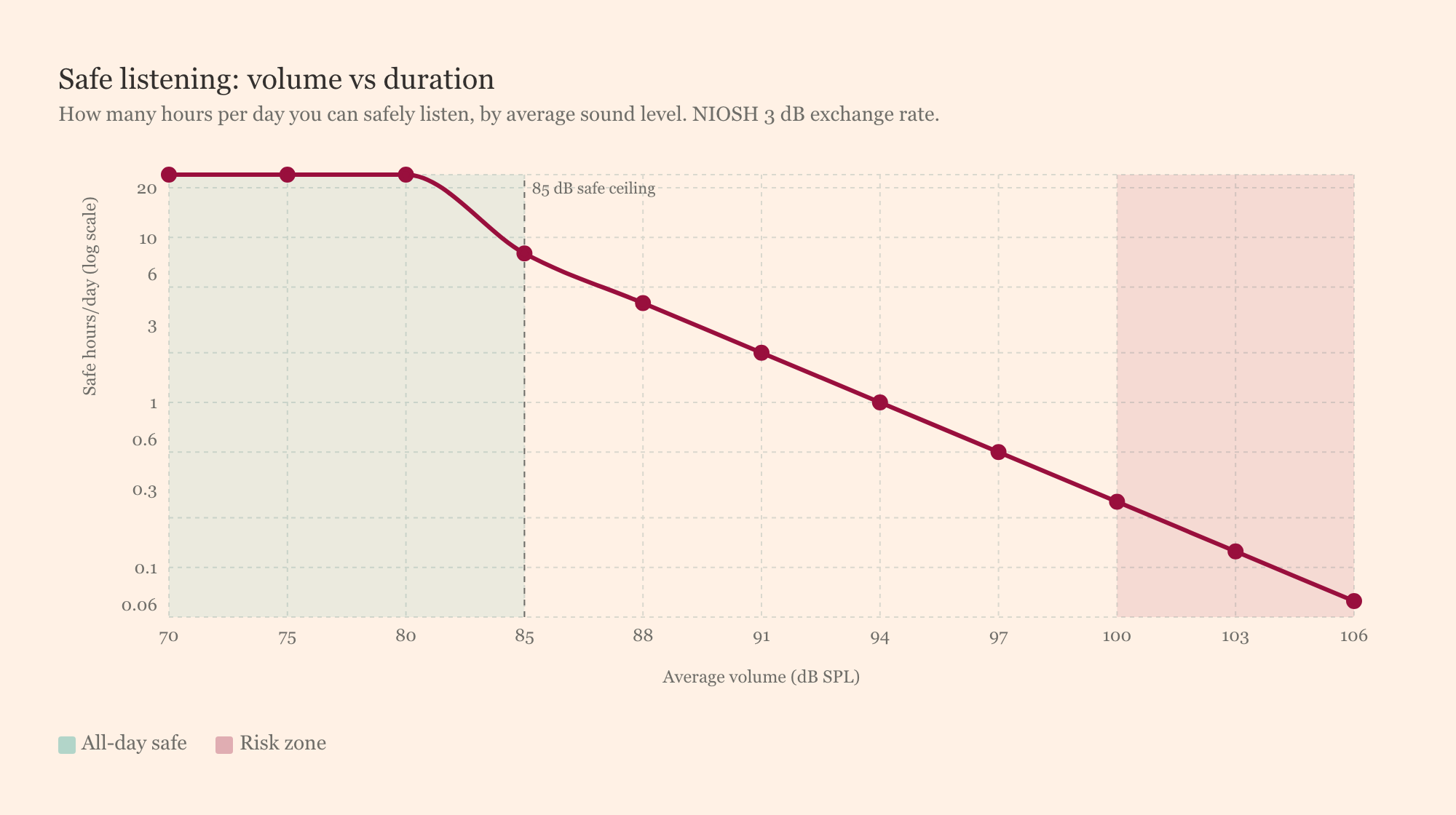
- Keep volume at comfortable listening levels (never exceed 85 decibels)
- Limit sessions to 15-30 minutes initially
- Take breaks between sessions
- Gradually increase duration if desired
Frequency selection tips:
- Match frequencies to your intended outcome (alpha for relaxation, beta for focus)
- Avoid stimulating frequencies before sleep
- Start with gentler frequencies (alpha or theta ranges)
- Monitor your body's response to different frequencies
Environmental considerations:
- Use in a safe, controlled environment
- Avoid while driving or operating machinery
- Ensure you can stop immediately if discomfort occurs
- Use quality headphones for proper stereo separation
The Difference Between Discomfort and Danger
It's crucial to distinguish between temporary discomfort and actual danger. Mild headaches or fatigue after binaural beat sessions are not indicators of brain damage – they're typically signs of:
- Listening at excessive volumes
- Using inappropriate frequencies for your current state
- Extended session duration beyond your tolerance
- Dehydration or eye strain from accompanying visual content
True warning signs that warrant immediate discontinuation include:
- Severe or persistent headaches
- Visual disturbances
- Confusion or disorientation lasting beyond the session
- Seizure activity
- Significant mood changes persisting for days
Maximizing Benefits While Minimizing Risks
To enjoy the potential benefits of binaural beats safely:
Start conservatively: Begin with short 10-15 minute sessions at low volumes using alpha frequencies (8-12 Hz), which are generally well-tolerated by most people.
Monitor your response: Keep a brief log of how different frequencies and durations affect you. This helps identify your optimal parameters and avoid problematic combinations.
Quality matters: Use reputable sources for binaural beat recordings and invest in decent headphones. Poor-quality audio can contain harmful artifacts or incorrect frequencies.
Combine with healthy practices: Binaural beats work best as part of a comprehensive approach to mental wellness, including proper sleep, nutrition, and stress management.
The Bottom Line on Brain Safety
Current scientific evidence strongly suggests that binaural beats do not cause brain damage when used appropriately. The temporary, reversible nature of brainwave entrainment makes it fundamentally different from interventions that could cause lasting neural harm.
However, like any tool affecting brain function, binaural beats should be used thoughtfully and responsibly. By following safety guidelines, starting conservatively, and listening to your body's signals, you can explore the potential benefits of brainwave entrainment while maintaining your neurological health.
Remember that individual responses vary significantly. What works safely for one person may not be suitable for another. When in doubt, consult with healthcare professionals, especially if you have underlying medical conditions or concerns about how binaural beats might interact with your specific health situation.